 Boilersinfo Boiler and Mechanical Power Digital Library
Introduction to Combined Cycle Power Plants
What Is a Combined Cycle Power Plant?
Imagine squeezing every drop of energy from fuel before letting it go—that’s exactly what a combined cycle power plant does. Instead of relying on a single thermodynamic process, it cleverly combines two cycles: the gas turbine (Brayton cycle) and the steam turbine (Rankine cycle). The result? A powerhouse of efficiency that extracts maximum energy from the same fuel source.
In a typical setup, natural gas is burned in a gas turbine to produce electricity. But instead of wasting the hot exhaust gases, these plants redirect that heat into a secondary system to generate steam, which then drives a steam turbine. This layered approach transforms what would have been wasted energy into additional power output.
Modern combined cycle gas turbine (CCGT) plants are among the most efficient thermal power systems in the world, achieving efficiencies between 50% and 60%, and even exceeding 64% in advanced systems (Market.biz). Compared to traditional single-cycle plants, this is a massive leap forward in energy utilization.
Why Combine Gas and Steam Cycles?
Here’s a simple analogy: imagine cooking with a stove and letting all the heat escape into the room. Wasteful, right? Now imagine capturing that heat to warm your house—that’s combined cycle in action.
The main goal is to increase efficiency. A standalone gas turbine might convert only about 35–40% of fuel energy into electricity. But when combined with a steam cycle, the overall efficiency jumps dramatically. This is because the exhaust gases from gas turbines can reach temperatures above 500°C, which is more than enough to generate steam.
By integrating two cycles, engineers reduce fuel consumption, cut emissions, and improve economic performance. This is why combined cycle plants are rapidly replacing older coal-fired power stations worldwide.
Thermodynamic Principles of Combined Cycle Plants
Basic Thermodynamic Cycles Explained
At the heart of combined cycle plants lie two fundamental thermodynamic cycles:
- Brayton Cycle (Gas Turbine): Air is compressed, mixed with fuel, combusted, and expanded through a turbine.
- Rankine Cycle (Steam Turbine): Water is heated into steam, expanded through a turbine, then condensed and recycled.
These cycles operate at different temperature levels, making them perfectly complementary. The gas turbine handles high-temperature energy, while the steam turbine captures lower-temperature waste heat.
This dual-cycle approach allows for optimal energy extraction across a wide temperature range, something a single cycle simply cannot achieve.
Efficiency Improvement Mechanism
Efficiency in power plants is all about how much fuel energy is converted into usable electricity. Combined cycle plants excel because they minimize energy losses.
In simple cycle plants, exhaust heat is wasted. In combined cycle plants, that heat is captured using a Heat Recovery Steam Generator (HRSG). This component acts like a bridge between the two cycles, ensuring that no useful energy escapes unused.
As a result, combined cycle plants can achieve efficiencies of up to 64%, which is currently one of the highest in the power generation industry. This means less fuel is needed for the same electricity output, making these plants both economically and environmentally superior.
System Layouts of Combined Cycle Plants
Single-Shaft Configuration
In a single-shaft configuration, the gas turbine, steam turbine, and generator are all mounted on a single shaft. This setup is compact and ideal for smaller installations.
The main advantage here is simplicity. Since everything is connected, synchronization is easier, and the plant requires less space. However, maintenance can be more complex because shutting down one component often means stopping the entire system.
Multi-Shaft Configuration
Multi-shaft systems use separate generators for the gas and steam turbines. This design offers greater flexibility and is commonly used in large-scale power plants.
One key benefit is operational independence. The gas turbine can operate even if the steam cycle is offline, allowing for faster startup times and improved reliability. In fact, combined cycle plants can bring significant power online within 30–60 minutes, making them highly responsive to grid demands (Allied Power Group).
Combined Cycle Plants for Cogeneration
CHP Systems and Their Benefits
Combined Heat and Power (CHP), also known as cogeneration, takes efficiency a step further. Instead of wasting heat after electricity generation, CHP systems use it for industrial processes, heating, or cooling.
This can push overall efficiency beyond 65%, significantly higher than conventional systems. It’s like getting two products—electricity and heat—from the same fuel input.
Industrial Applications
Industries such as chemical plants, refineries, and paper mills benefit immensely from CHP systems. They require both electricity and thermal energy, making combined cycle plants an ideal solution.
By integrating power generation with industrial processes, companies can reduce energy costs and improve sustainability at the same time.
Major Components of Combined Cycle Plants
Gas Turbine System
The gas turbine is the primary driver of the plant. It compresses air, mixes it with fuel, and ignites the mixture to produce high-temperature gases that spin the turbine blades.
Modern turbines operate at temperatures exceeding 1,500°C, thanks to advanced materials and cooling technologies. This allows for higher efficiency and power output.
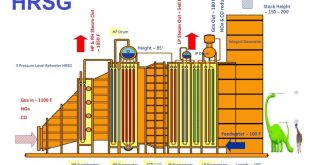
Heat Recovery Steam Generator (HRSG)
The HRSG captures exhaust heat from the gas turbine and uses it to produce steam. It typically includes multiple pressure levels to maximize heat recovery.
Think of it as a recycling system for energy—it ensures that no heat goes to waste.
Steam Turbine
The steam turbine converts thermal energy from steam into mechanical energy, which is then converted into electricity.
Although less efficient on its own, when combined with a gas turbine, it significantly boosts overall plant efficiency.
Control and Automation Systems
Modern Control Technologies
Modern combined cycle plants rely heavily on automation. Advanced control systems monitor temperature, pressure, and flow rates in real time, ensuring optimal performance.
These systems also help in maintaining safety and reliability, which are critical in large-scale power generation.
Role of AI and Digitalization
Artificial intelligence is increasingly being used to optimize plant performance. AI models can predict equipment failures, optimize fuel consumption, and improve efficiency.
Recent studies show that AI-based optimization can improve plant efficiency and reduce CO₂ emissions significantly.
Operating and Part-Load Behavior
Load Flexibility
One of the biggest advantages of combined cycle plants is their flexibility. They can quickly adjust output to match demand, making them ideal for supporting renewable energy sources like wind and solar.
Startup and Shutdown Characteristics
Compared to traditional steam plants, combined cycle plants have faster startup times. This makes them highly valuable in modern power grids where demand can fluctuate rapidly.
Comparison with Other Power Plants
Coal vs Combined Cycle
| Feature | Coal Plant | Combined Cycle |
|---|---|---|
| Efficiency | 30–35% | 50–64% |
| Emissions | High | Low |
| Startup Time | Slow | Fast |
Combined cycle plants clearly outperform coal plants in both efficiency and environmental impact.
Nuclear vs Combined Cycle
Nuclear plants are reliable but less flexible and typically operate at around 33–37% efficiency. Combined cycle plants, on the other hand, offer higher efficiency and faster response times.
Environmental Considerations
Emission Reduction
Combined cycle plants produce significantly lower CO₂ emissions compared to coal-fired plants. Advanced systems also incorporate low-NOx burners and carbon capture technologies.
Water Usage and Sustainability
These plants use less water compared to traditional steam plants, making them more sustainable, especially in water-scarce regions.
Developmental Trends and Future Outlook
Hydrogen Integration
The future of combined cycle plants includes hydrogen as a fuel. Some modern turbines already support hydrogen blends, with plans for 100% hydrogen operation.
Carbon Capture Technologies
Carbon capture is becoming a key feature in new plants, with projects aiming to capture up to 90% of CO₂ emissions.
Real-World Combined Cycle Plants
Modern High-Efficiency Plants
Recent plants in countries like Japan and the UK are pushing efficiency boundaries while supporting clean energy transitions (Reuters).
Case Studies and Examples
World-record plants like the UK’s Keadby-2 have achieved over 64% efficiency, showcasing the potential of this technology.
Conclusion
Combined cycle gas and steam turbine power plants represent the pinnacle of modern thermal power generation. By intelligently combining two thermodynamic cycles, they achieve unparalleled efficiency, reduced emissions, and operational flexibility. As the world moves toward cleaner energy, these plants will continue to play a crucial role, especially as they integrate hydrogen and carbon capture technologies. For engineers and energy professionals, understanding this technology is not just important—it’s essential for shaping the future of power generation.
FAQs
1. What is the efficiency of a combined cycle power plant?
Modern combined cycle plants achieve efficiencies between 50% and 64%, depending on technology and design.
2. Why are combined cycle plants more efficient?
They utilize waste heat from the gas turbine to generate additional power using a steam turbine.
3. What fuel is used in combined cycle plants?
Natural gas is the most common fuel, but hydrogen and other fuels are increasingly being used.
4. What is the role of HRSG in combined cycle plants?
It recovers waste heat from gas turbine exhaust and converts it into steam for the steam turbine.
5. Are combined cycle plants environmentally friendly?
Yes, they produce lower emissions and use fuel more efficiently compared to traditional power plants.